
Evidence Rails
Provisional results
Observation track
The upper rail carries the question you want to answer. The lower rail follows the actions for observing the evidence. Start with either. A question about the ratchet can jump to the corresponding part of the clearance procedure. The return link takes you back to the portion of the interpretation that your new observation can affect. The seal case has a different transfer point. It begins with a surface impression and asks how much of the total pressing order can be recovered from one edge.
Ratchet evidence
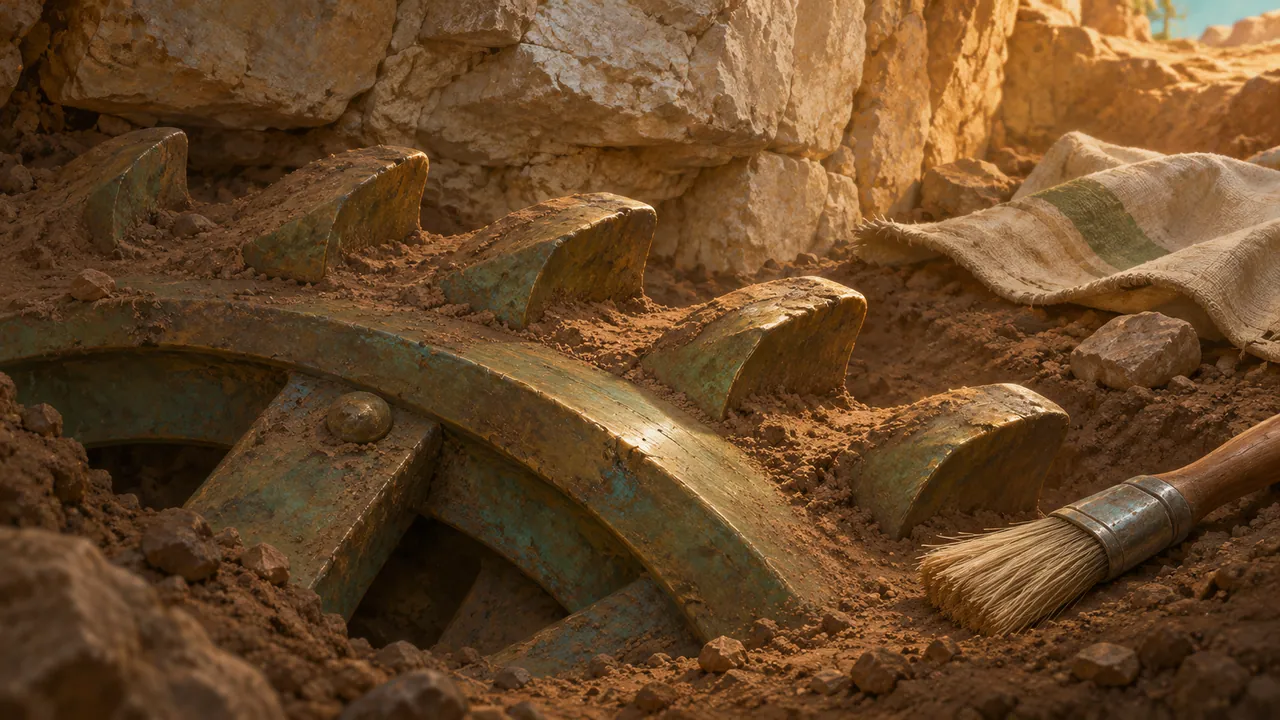
The polished shoulder on the bronze catches light. Dirt remains against the back of the shoulder. Before clearing more of the surface, record the angle where the two conditions meet. You can then brush toward the remaining soil without disturbing potential traces that run along the main cavity. The upper rail collects observations that describe motion. Scratches with a gradual start, a hard end, and a width consistent with a nearby gear tooth warrant a closer look. They matter more when a different stroke runs across them. On the lower rail, follow the brush pass and compare where the strokes become clearer.
Seal evidence
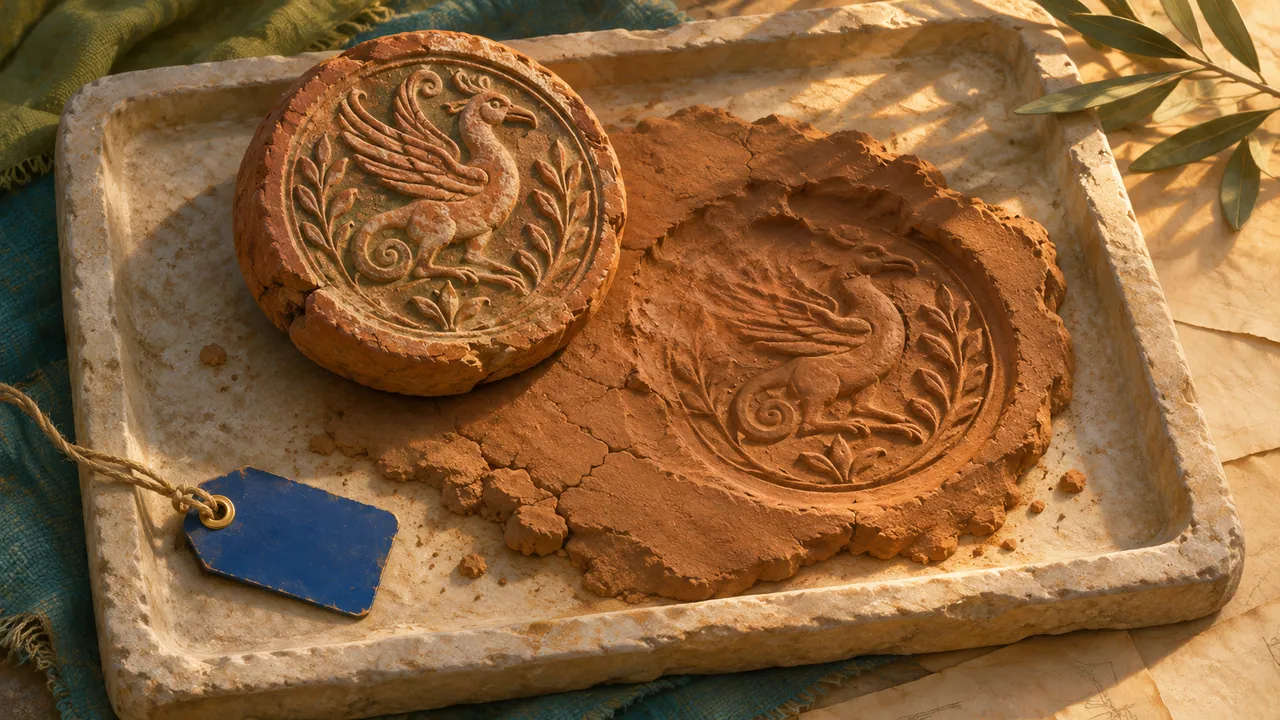
The heavier press flattened a raised rim. A partial ridge runs into the edge of the second shape. Those two details can show which impression lay above the other. The track below asks you to find the angle from which both are visible at once. It also asks you to identify a place where a worn patch has removed the most direct clue. Record that gap on the rail if you can see it. Leaving an unfilled field in the interpretation gives you room to add an observation from another part of the trench. The result rail and the process rail both lead to the complete case, where you can read how that uncertainty affects the lock.